
Corvette How-To: C3 Corvette 1982 Crossfire Tuning Guide
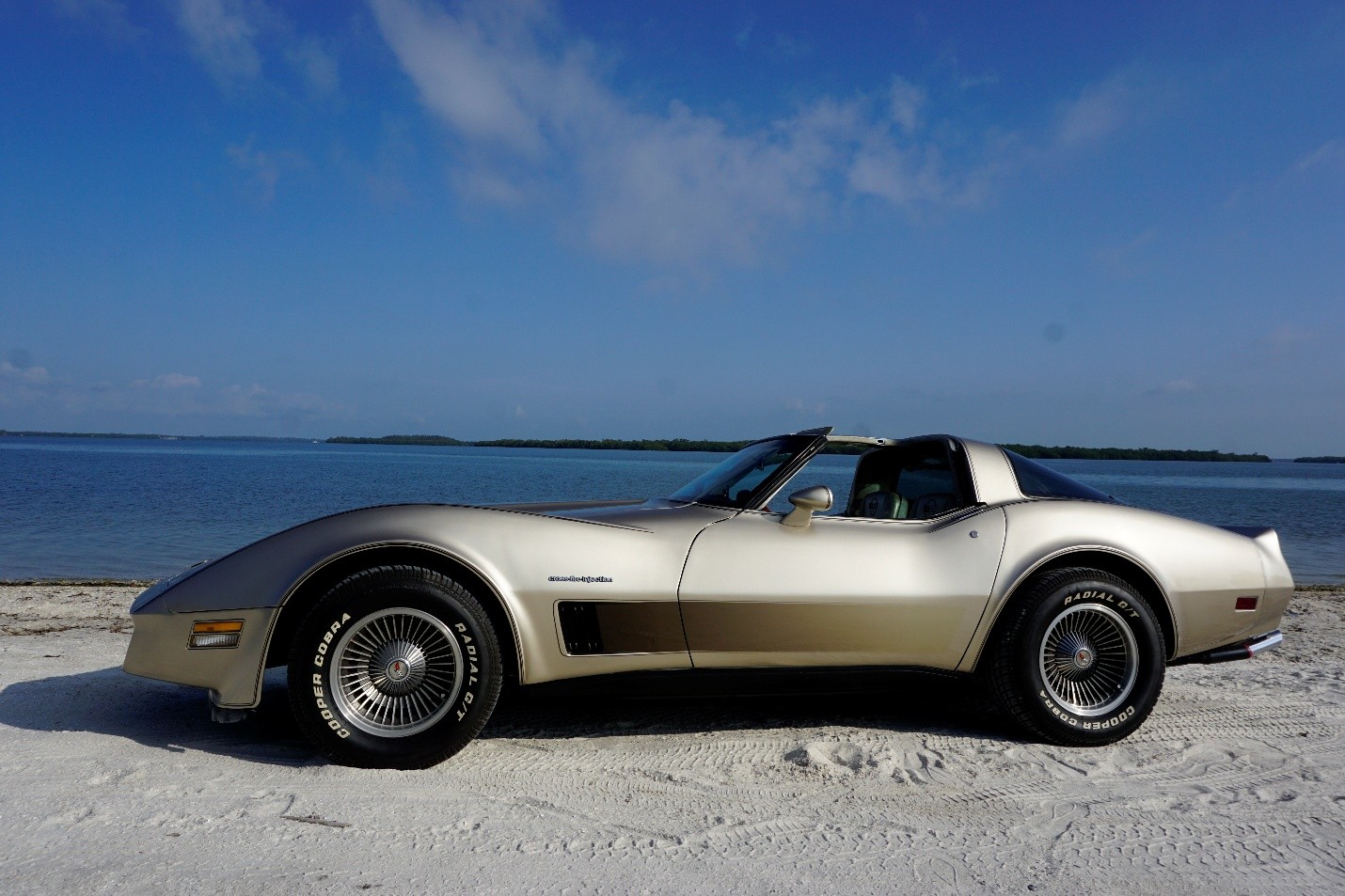
A practical how-to based on a start-to-finish project: adding a wideband, logging with What's Up Display (WUD), and refining an EBL tune for strong launches and respectable fuel economy.
By Vette Registry member Dennis Peterson
Executive Summary (What we did and why it matters)
We started with a well-kept 1982 Collector Edition C3 and a simple goal: keep the Corvette character off the line while improving real-world MPG. The first phase used a heated narrowband O₂ to establish clean idle/cruise and a solid baseline. As the months progressed, we hit the narrowband's limits—it can't reveal true AFR under load or during transients—so we upgraded to a wideband and wired its linear signal directly into the EBL ECM. Throughout the project we used ChatGPT AI to read each log, pinpoint what the car was doing, and suggest small, specific calibration changes. The AI also produced ready-to-flash BINs that we saved in TunerPro (to fix checksums) and wrote to fresh banks, making iteration safe and repeatable.
The result is a balanced street tune: crisper launches with mid-6s 0–60 mph capability (best GPS pass about 4.9 s with traction), smooth drivability without the low-speed "sags," and MPG in the high teens to low-20s on mixed routes. Power estimates landed around ~270 rwhp (≈ 315–330 bhp at the crank). Just as important, the process is clear and teachable: short purpose-built logs → AI analysis and recommendations → one-click calibration edits → quick validation drives. If you only read one section, read this one; the rest of the guide walks you through the details step by step.
Results: Mid-6s 0–60 mph capability (best GPS pass ~4.9 s), smooth drivability, and 18–22 MPG on mixed routes. Estimated ~270 rwhp (~315–330 bhp crank).
At-a-Glance: Baseline vs Final (examples)
| Metric | Baseline (heated NB) |
Final v13F6 (wideband) |
Notes |
|---|---|---|---|
| 0–60 mph | 8.6 s | Mid-6s repeatable; best ~4.9 s (GPS) | Surface/tires matter; best pass was slight uphill |
| Drivability (low-speed) |
Tip-in sags/VSS blips common | No felt dropouts on route | Addressed via Idle MPH, MAP-transient, light AE/TPS tweak |
| Mixed MPG | ~10 MPG (real-world loop) | ~18–22 MPG depending on throttle/route | Tune aimed to improve real-world MPG without dulling response |
| RWHP estimate | ~180 rwhp (implied) from 6s 0–60 @ ~3472 lb | ~270 rwhp (road-dyno & energy math) | ≈ 315–330 bhp at crank |
Figures are representative snapshots from our logs and GPS timing. Your results will vary with tires, surface, weather, altitude, and launch technique.
Introduction
This write up turns several months of real world trial and error into a repeatable playbook for C3 owners. We’ll cover the exact hardware, wiring, logging setup, and the calibration changes that delivered a crisp launch, mid 6s 0–60 capability, and solid MPG—without sacrificing street manners. It’s written for hobbyists who are comfortable with basic wiring, datalogging, and flashing BIN files.
Safety first!
Make changes in small steps, log each test on a quiet road, and keep a known good tune on a separate bank so you can revert instantly.
🔒 Want to Read More?
This detailed how-to guide includes step-by-step instructions, specific tuning parameters, troubleshooting tips, and complete checklists to help you achieve:
- ✓ Mid-6 second 0-60 mph times (best ~4.9s)
- ✓ 18-22 MPG fuel economy
- ✓ ~270 rwhp (~315-330 bhp crank)
- ✓ Wideband AFR setup and tuning
- ✓ AI-assisted log analysis workflow
- ✓ Complete validation procedures
Join Vette Registry to access the full article plus thousands of other how-tos, tech discussions, and registry features!